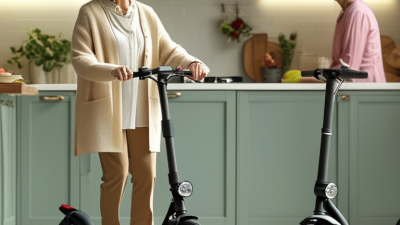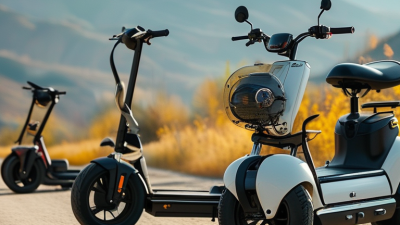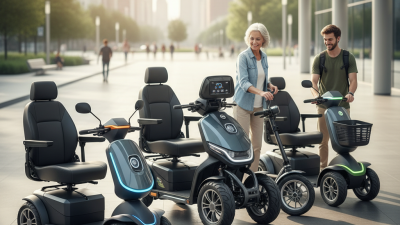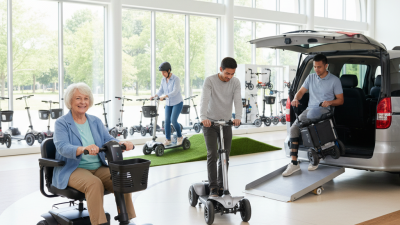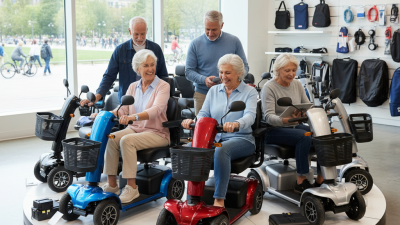

Choosing the best motorized scooter for an elderly buyer begins with daily routines, not showroom appearance. Consider where the scooter will travel: narrow hallways, uneven sidewalks, ramps, or grocery aisles. Measure doorways and turning areas before comparing models. A compact scooter may fit indoors but feel unstable outdoors. A larger frame can offer better comfort, yet it may be difficult to transport.
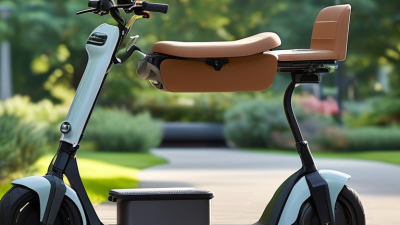
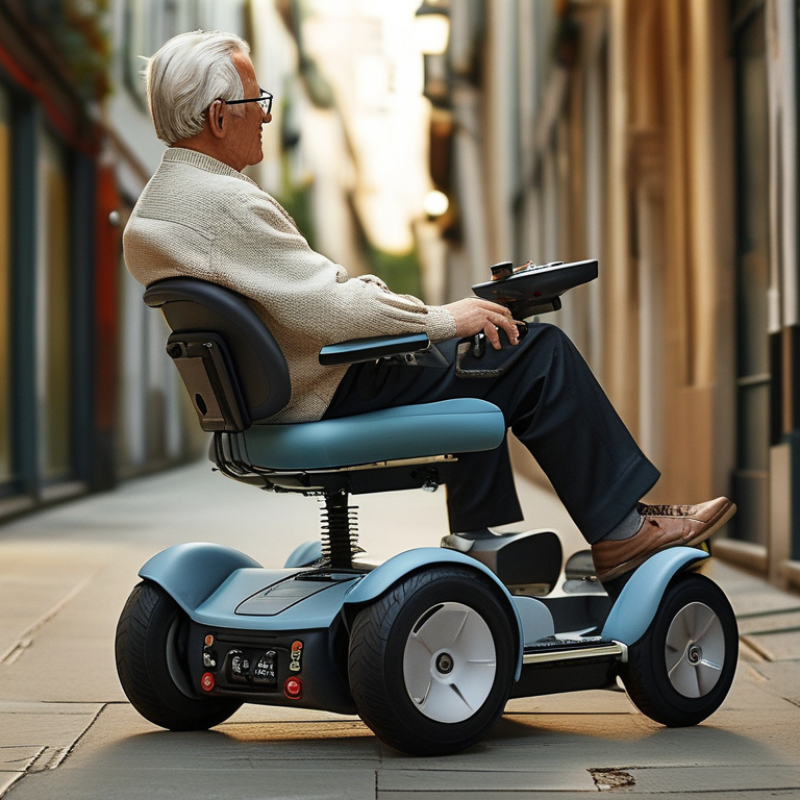
Seat height, back support, and handlebar position deserve careful attention. The rider should sit with both feet supported and reach the controls without stretching. Large, readable controls are helpful for users with limited vision or hand strength. Test the steering slowly. It should respond smoothly, without sudden movement. I once underestimated the value of a firm armrest; a short test felt fine, but longer use caused shoulder fatigue.
Battery range should match real trips, with extra capacity for hills, cold weather, and battery aging. Do not rely only on advertised distance. Ask about charging time, battery replacement, braking performance, weight, and service access. A professional assessment can help users with balance, posture, or transfer concerns. Bring the intended rider to the trial. Observe how they mount, stop, reverse, and recover after a small mistake. A perfect choice on paper may still feel wrong after ten minutes. Allow time for adjustment.