
Choosing the best portable scooters can be a rewarding yet challenging task. These scooters provide mobility and independence. With so many options, it becomes crucial to find a model that suits your needs.
When considering portable scooters, assess your personal requirements. Think about where you will use it most. Are you navigating busy streets or uneven sidewalks? Size and weight matter. Some scooters are lighter and easier to transport, while others offer more features and stability.
Don't overlook comfort and usability. Check seat design, handle height, and battery life. Some scooters may appear appealing but lack essential comfort. Take time to read reviews and gather opinions. What works for one might not be the best for another. Explore options, but remain aware of your unique situation. This approach ensures you find the perfect portable scooter that fits your lifestyle.
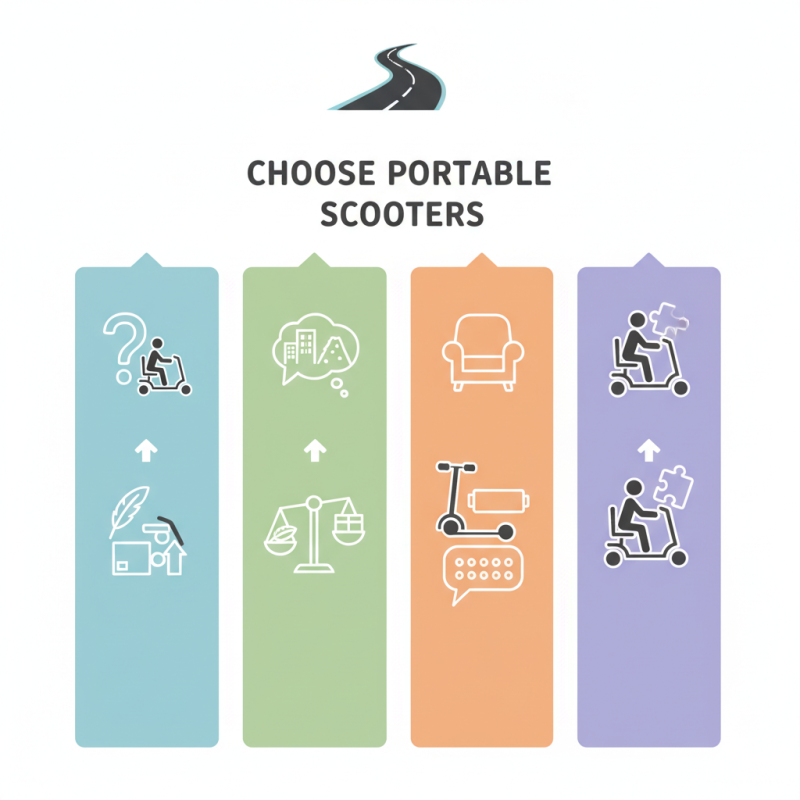
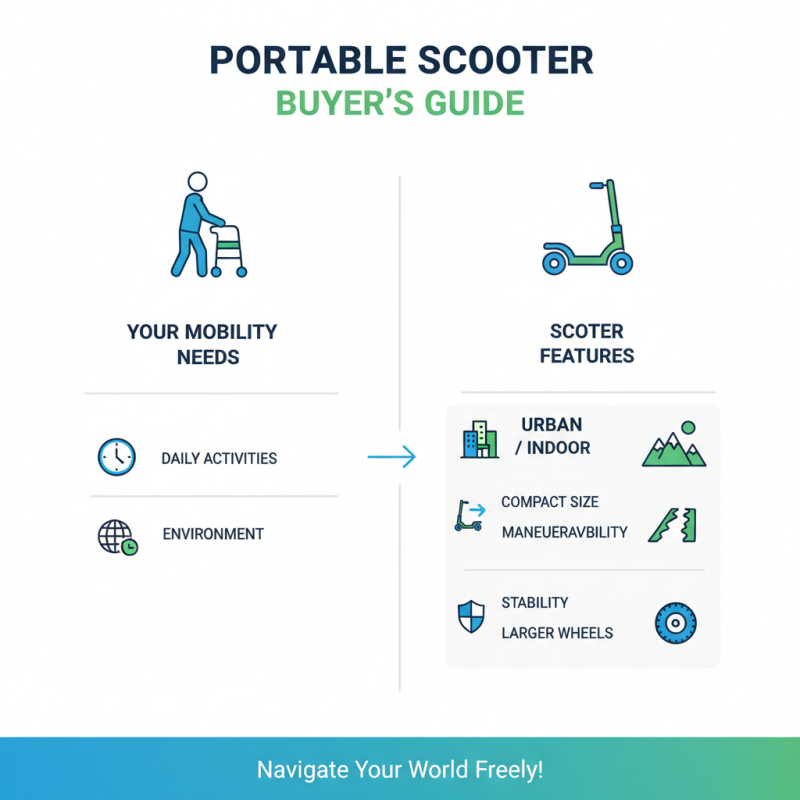
Choosing the right portable scooter requires deep understanding of your mobility needs. Think about your daily activities. Do you navigate busy streets or need to maneuver around tight spaces? Each scenario demands different features. Compact size matters for urban environments, while stability is key for uneven surfaces.
Reflect on your personal requirements. Consider weight capacity and battery life. A lighter model might be easier for transport but could lack supporting features. Assessing your lifestyle is crucial. If you plan to travel frequently, a foldable scooter may be ideal. However, ensure it also meets your comfort and safety standards. Sometimes, the best option means sacrificing certain features, which can be hard to accept.
Remember to examine your physical capabilities. Can you operate a scooter independently? If not, look for additional support options. This involves understanding your limitations and adjusting your expectations. It's essential to find a balance between independence and safety. Be honest with yourself about what you need versus what you want. Every choice involves trade-offs, and reflection can guide you to the best decision.
When evaluating portable scooters, it is crucial to focus on several key features. Weight capacity is fundamental. Most scooters support up to 300 pounds, but some models can handle more. Knowing this helps in selecting a scooter that meets personal mobility needs. A market analysis from the International Journal of Mobility Research indicates that lightweight scooters are gaining popularity. Many options weigh between 40 to 60 pounds, making them easier to transport.
Battery life is another critical aspect. Most portable scooters offer a range of 10 to 15 miles per charge. Reports show that a good battery can significantly enhance usability. But remember, these statistics can vary based on terrain and usage patterns. Users often underestimate how these factors affect performance. In some cases, battery efficiency drops after extensive use.
Portability features also warrant attention. Many scooters fold up for easy storage. However, not every model folds the same way. Some may require more effort, which can be frustrating. Additionally, turning radius can impact maneuverability. A scooter with a tighter turning radius is often better in crowded spaces, according to industry surveys. These details are essential for ensuring the right fit.
When selecting a portable scooter, you’ll often choose between folding and non-folding models. Folding scooters are easily compacted, making them great for storage and travel. They can fit in car trunks or be carried on public transport. This convenience appeals to many users. However, the folding mechanism may pose reliability concerns. Some users report challenges with the folding process over time.
Non-folding scooters offer sturdier construction. They typically have larger frames, which provide stability. This can be a vital factor for those who prioritize comfort and durability. However, their bulkier design can make them harder to transport. For individuals living in small spaces, this is a notable drawback. It’s important to weigh the pros and cons based on your lifestyle needs.
Remember to consider your specific requirements, like weight capacity and battery life. It’s essential to test both types if possible. That way, you can make an informed choice. Each type has its unique features and potential flaws. Evaluating those against your personal needs can lead to a better decision.
| Feature | Folding Scooters | Non-Folding Scooters |
|---|---|---|
| Portability | Very high, easy to store and transport | Moderate, requires more space |
| Weight Limit | Typically up to 300 lbs | Can vary widely, some models support over 400 lbs |
| Ease of Use | Simple folding mechanism | Usually straightforward, but fixed design |
| Battery Life | Can be less than non-folding | Generally longer range |
| Durability | Good, but hinge points may wear | High durability for heavy use |
| Price Range | $500 - $1,500 | $600 - $2,000 |
When selecting a portable scooter, weight capacity is crucial. It determines how much the scooter can handle without compromising safety. A heavier user might require a scooter with a higher weight limit. Always check the manufacturer’s specifications. Sometimes, the stated limits are optimistic. Testing the scooter beforehand can offer better insights.
Battery life can make or break your experience. A scooter with a short battery life might leave you stranded. Opt for models that offer extended usage. Look for batteries that can last several miles on a single charge. Some scooters come with removable batteries, allowing you to carry a spare. This feature can be a lifesaver in case of emergencies.
You should also consider how the scooter performs on inclines. Some models struggle on slopes, even if they have a decent weight capacity. This can affect your daily commute or outdoor plans. Pay attention to user feedback regarding real-world performance. While specs are essential, personal experiences reveal what the scooter can truly handle.
When choosing a portable scooter, budget is a critical factor. Prices can vary widely. Consider what features are essential for your needs. A simple model may cost less but might lack necessary functionalities. Spend time evaluating your usage. Do you need more speed or better battery life? These points can greatly influence your final decision.
Warranties are often overlooked, yet they hold significant importance. A good warranty can save you money in the long run. Check what the warranty covers. Some companies may only cover parts, while others extend to labor as well. Be wary of short warranty periods. Reflect on whether you’d prefer a slightly more expensive scooter with a comprehensive warranty. It could provide peace of mind and protect your investment. Also, read customer reviews about service responsiveness. This information can impact your satisfaction later on.