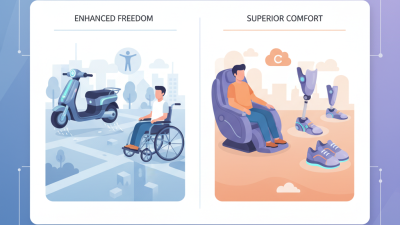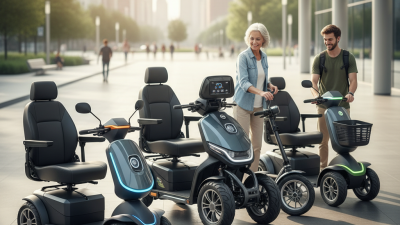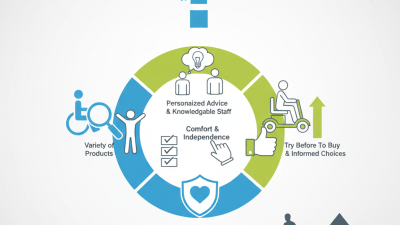

Choosing the right handicap equipment can be overwhelming. With so many options, it's essential to understand what best fits your needs. Expert Sarah Johnson, a leading voice in the disability aids industry, emphasizes, “Selecting the right equipment is key to enhancing mobility and independence.”
When exploring handicap equipment, consider your daily activities. Some users require mobility scooters, while others may need specialized walkers or wheelchairs. Each piece of equipment has unique features suited for different environments. Reflect on your lifestyle. Do you need something compact for indoor use or durable for outdoor terrains?
It's not just about the equipment; it’s about you. The best choice should improve your quality of life. However, many users face challenges in finding the right fit. There is a learning curve. Trial and error may lead to mistakes, and it's okay to seek advice. Connecting with a community of other users can provide invaluable insight.

Choosing the right handicap equipment requires a deep understanding of your specific needs. Consider your mobility level first. Some individuals may only need minimal assistance, while others require more support. Think about daily activities. Will the equipment help with tasks like walking, sitting, or even bathing?
Now, think about your environment. Is it urban or rural? Different terrains can impact your choice. Also, take note of your physical limitations. Recognizing challenges, such as grip strength, can guide your selection. A heavy or awkward device won’t be useful. Instead, focus on something manageable.
Reflecting on personal comfort is crucial. An item may look appealing but feel uncomfortable. Explore various options to find what suits you best. Pay attention to adjustments and features as well. Not everything will fit perfectly. Some trial and error may be necessary. Keep an open mind and willingness to adapt your choices to enhance your experience.
When choosing handicap equipment, it’s important to consider the specific needs of different disabilities. For individuals with mobility issues, wheelchairs and scooters provide essential support. These devices come in various styles. Some are manual, while others are electric. Users need to reflect on their daily activities and which type would enhance their independence.
Another category is adaptive aids for vision or hearing impairments. For the visually impaired, devices like text-to-speech readers or magnifiers can be life-changing. Hearing aids are crucial for those with auditory challenges. It's essential to explore options and test different devices. Each person’s experience varies, and comfort is key. Sometimes, initial choices may not be perfect.
Additionally, there are tools for cognitive disabilities. Memory aids such as planners or digital reminders can help. However, picking the right one requires patience and experimentation. Some may not work as expected at first. Adjusting to these aids takes time. Listening and observing what works can lead to a better fit in the long run.
Choosing the right handicap equipment is crucial for enhancing mobility and independence. Evaluating features and specifications can guide you in making the best choice. Look closely at the weight capacity of the equipment. Ensure that it meets your needs comfortably. The materials used also matter. Stainless steel products are often more durable than aluminum, but they can be heavier.
Tips: Consider the portability of the equipment. If you travel often, lighter options are best. Think about the folding mechanisms too. They should be easy to use and not require too much effort.
Pay attention to adjustability. Equipment that can adapt to your height or preference can be more beneficial. Safety features should not be overlooked. Look for anti-tip designs or non-slip grips. This adds an extra layer of confidence when navigating different surfaces.
Tips: Don't ignore the comfort level. Cushioned seats or ergonomic handles can make a significant difference. Test the equipment if possible. It’s important to ensure it feels right before making a purchase.
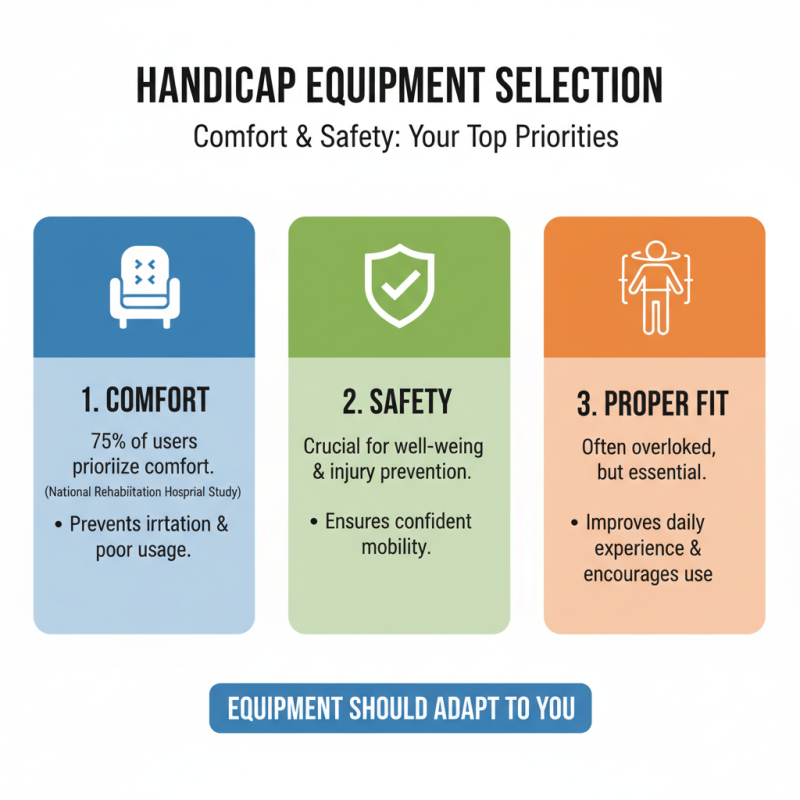
When selecting handicap equipment, comfort and safety are paramount. A study by the National Rehabilitation Hospital indicates that 75% of users prioritize comfort. Equipment that hurts or irritates can lead to poor usage and abandonment. Individuals often overlook the importance of fit, which can make a significant difference in their daily experience.
Safety, too, shouldn't be underestimated. According to the World Health Organization, up to 30% of wheelchair users experience falls. This is often due to poorly fitted or inappropriate equipment. Every feature, from brakes to seat height, plays a vital role in preventing accidents. It’s crucial to evaluate whether the equipment meets personal needs.
Furthermore, one must consider the emotional impact of comfort and safety. Lack of confidence in one’s mobility device can lead to anxiety. Regular user feedback can reveal issues that are often ignored in initial assessments. Gathering insights from those who have experienced both comfort and discomfort can lead to better decision-making.
When considering handicap equipment, budget plays a significant role. Research by the National Disability Institute reveals that almost 75% of individuals with disabilities face financial barriers to obtaining necessary equipment. This often limits their choices and impacts their daily lives. Understanding insurance coverage can help alleviate some of these burdens. Many plans cover specific types of equipment, but coverage varies widely.
It's essential to check what your insurance offers. Always inquire about pre-approval requirements and assess co-pay amounts. Make sure to fully understand your benefits before committing to a purchase. Do not assume all equipment will be covered.
Tips: Create a budget plan that includes both one-time purchases and ongoing costs. Look for second-hand options or local programs that provide equipment at no cost.
In addition, keep in mind that prices fluctuate considerably based on features and complexity. Simple aids may not be covered, while advanced models could be. It's important to analyze your needs carefully before investing. Review everything from functionality to maintenance costs, and ensure it fits your lifestyle and budget.
| Equipment Type | Average Cost | Insurance Coverage (%) | Durability (Years) | Mobility Level |
|---|---|---|---|---|
| Wheelchair | $500 | 80% | 5-10 | High |
| Walking Cane | $30 | 100% | 3-5 | Moderate |
| Scooter | $1,200 | 80% | 5-10 | Very High |
| Walker | $100 | 90% | 4-6 | Moderate |
| Lift Chair | $800 | 70% | 5-7 | Limited |