
Choosing the right mobility scooter can significantly enhance your quality of life. According to a 2022 industry report, the global mobility scooter market is expected to reach $1.5 billion by 2026. This growth reflects a rising demand for improved mobility solutions among seniors and individuals with disabilities.
When selecting a mobility scooter, one must consider various factors. Weight capacity, battery life, and portability are crucial. A scooter that can support your weight comfortably and travel longer distances will provide greater independence. Additionally, selecting a model that can easily fit in your vehicle will enhance your ability to travel.
Yet, many users face challenges in identifying the ideal scooter. Some may overlook essential features or focus solely on price. Reflect on your specific needs. What terrain will you navigate most? The right choice may not always be the most expensive model. It's essential to balance quality and affordability while accounting for your unique circumstances.
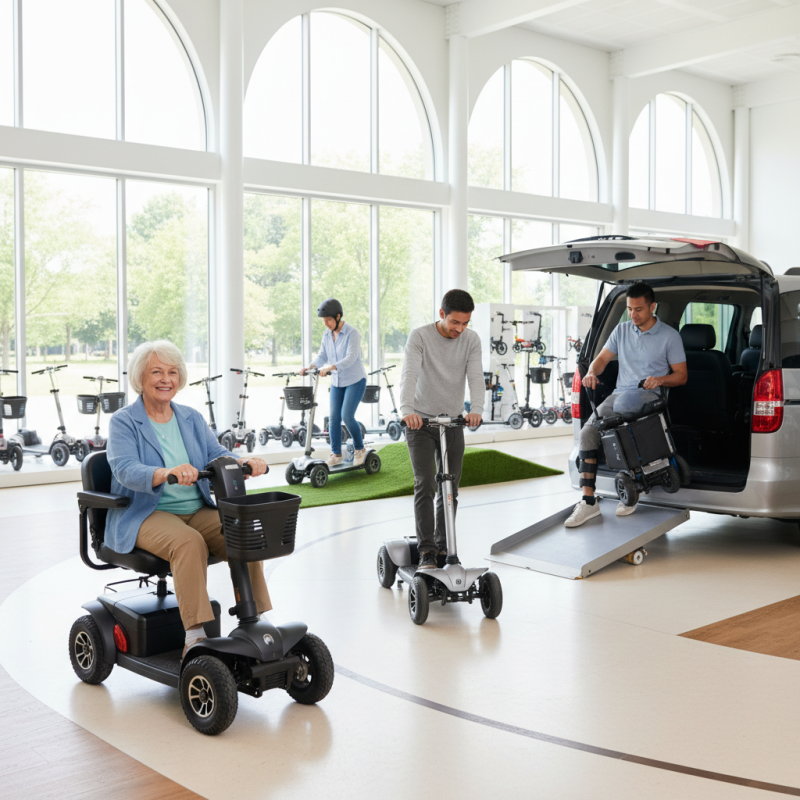
Choosing the right mobility scooter begins with understanding personal mobility needs. Assess daily activities carefully. Consider routine tasks like grocery shopping, visiting friends, or attending events. According to a report by the National Institute on Aging, about 40% of seniors experience mobility issues. These challenges can limit independence and social interactions.
Evaluate the terrain where you will use the scooter. Smooth pavements are easier, while rough terrain can be challenging. A report from the World Health Organization indicates that accessibility plays a critical role in community participation. If you frequently encounter hills or uneven ground, choose a scooter designed for such environments.
It's also essential to reflect on comfort and durability. An uncomfortable ride can deter you from using the scooter regularly. Some options may seem suitable initially but may lack necessary features long-term. Assess battery life and weight capacity too. Good planning helps avoid future regrets.
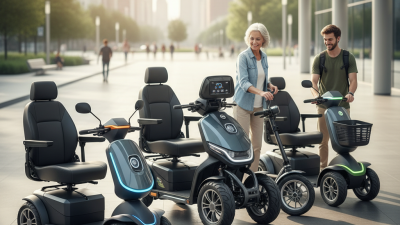
When choosing a mobility scooter, understanding the differences between 3-wheel and 4-wheel options is crucial. 3-wheel scooters are often more compact and easier to maneuver. They work well in tight spaces, like shopping aisles. However, they may not always provide the best stability. If you hit a bump or uneven ground, you might feel insecure.
On the other hand, 4-wheel scooters usually offer better balance and stability. They are a great choice for outdoor use, especially on rough terrain. These scooters typically have larger wheels and a wider base. However, they can be more challenging to navigate indoor spaces. It’s important to consider your primary use. Reflect on your daily activities. Does your lifestyle require agility or stability?
Ultimately, think about your environment. Do you often go shopping, or do you prefer outdoor parks? There is no one-size-fits-all solution. Weigh the pros and cons carefully. Your choice should match your personal needs and lifestyle. Avoid decisions based purely on looks or price. Think through these factors to choose wisely.
Choosing the right mobility scooter begins with understanding weight capacity and size. Each user has unique needs based on their build. According to recent industry reports, finding a scooter that accommodates your weight is crucial. Most scooters support between 250 to 500 pounds, but larger options exist. Ensure that you check the manufacturer's specifications before purchasing.
Size matters too. A compact scooter might be ideal for city living, while a larger one offers more comfort and stability. For users over six feet tall, legroom is a significant factor. Many scooters designed for heavier individuals also provide wider seats, enhancing comfort. Data indicates that discomfort from inadequate space can lead to lower usage rates.
Also, consider the turning radius of the scooter. A smaller turning radius helps navigate tight spaces easily. Some scooters may look appealing but can be impractical in everyday situations. It's essential to evaluate how the scooter fits within your lifestyle rather than just its appearance. Remember, your scooter should enhance your mobility, not hinder it.
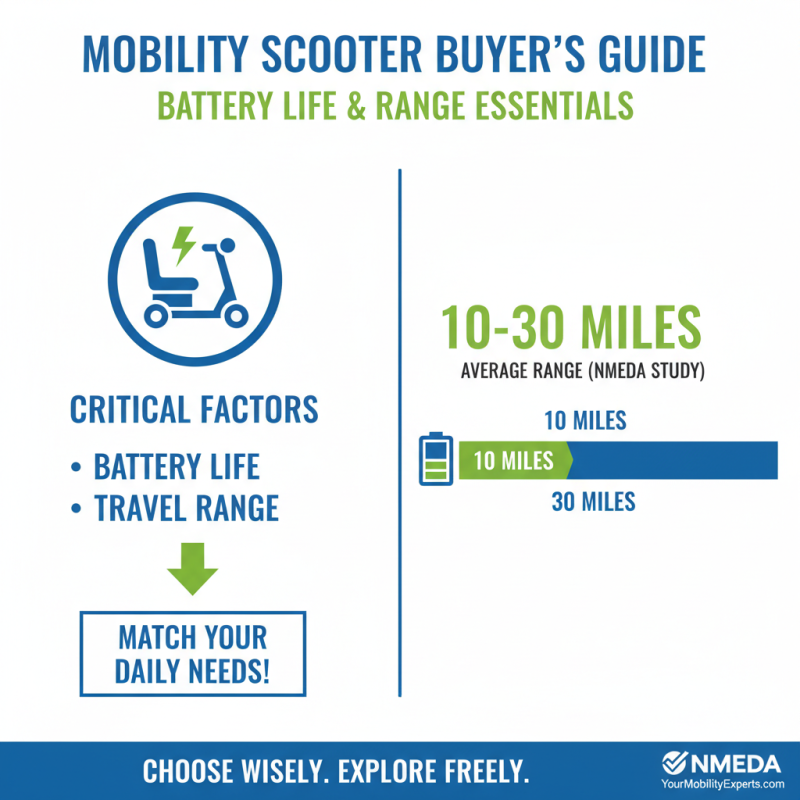
Battery life and range are critical factors when choosing a mobility scooter. A study by the National Mobility Equipment Dealers Association (NMEDA) suggests that average battery life for scooters ranges between 10 to 30 miles. This data emphasizes the importance of selecting a scooter that aligns with your daily travel needs.
Consider your lifestyle. If you frequently visit friends or run errands, a scooter with a range of at least 20 miles is ideal. Some scooters can even cover over 30 miles on a single charge. However, remember that terrain affects battery efficiency. Hilly areas and rough surfaces can significantly reduce your range.
Another consideration is charging time. Most scooters take between 6 to 8 hours to fully charge. This is essential if you need to use the scooter daily. Keeping a spare battery could also be beneficial for longer outings. Reflect on your needs and environment. Choosing the right power isn’t just about numbers; it’s about fitting a scooter to your life.
Choosing the right mobility scooter involves considering several key features. Comfort is essential. A well-cushioned seat makes a big difference during longer rides. Look for adjustable armrests and back support. Some scooters come with extra legroom. This is a benefit for taller users or those with specific medical needs.
Maneuverability is another critical aspect. A scooter that turns easily can help navigate tight spaces. Check the turning radius to see if it meets your needs. Smaller scooters offer better maneuverability in crowded areas. However, they might sacrifice some stability at higher speeds. It's important to test how the scooter handles before making a decision.
Safety options should never be overlooked. Look for features like anti-tip wheels and electronic brakes. A good lighting system ensures visibility at night. Reflectors can enhance safety as well. Sometimes, these features are overlooked. It’s vital to reflect on personal safety needs while choosing a scooter. A more robust model may help you feel secure. Consider your specific environment too.