
Finding the right wheelchair rentals can significantly enhance mobility for individuals with disabilities. According to the National Institute on Disability, Aging and Rehabilitation Research, approximately 2.7 million people in the U.S. rely on wheelchairs for daily activities. With this rising demand, choosing the best rental option becomes crucial.
When evaluating wheelchair rentals, consider specific needs. Different models cater to various terrains, from smooth indoor surfaces to rugged outdoor pathways. The Americans with Disabilities Act provides guidelines on accessibility, impacting rental choices. Not all companies adhere to these standards, so it's vital to conduct careful research.
The experience of fellow users can also guide your decision. Some rentals may offer top-notch service but lack in equipment quality. Always check reviews and compare features. This process might seem overwhelming, but finding the right fit plays a vital role in improving mobility and independence.

When considering wheelchair rentals, identifying your specific needs is crucial. Not every wheelchair is suitable for every situation. Factors such as the type of terrain you'll navigate or the duration of use can significantly influence your choice. For example, a lightweight wheelchair may be ideal for urban environments, while a sturdier model could be better for uneven surfaces.
Tips: Assess your daily activities. Think about whether you need a wheelchair for short trips or long-term travel. Measure doorways and hallways at home, ensuring the wheelchair fits comfortably in your space. Don't overlook your comfort; cushion quality can affect your experience.
Another vital factor is weight capacity. Some wheelchairs are designed to hold more weight than others. Some individuals might underestimate their requirements. Always opt for a rental that exceeds your needs to ensure safety and comfort. You may want to consult with a healthcare professional for personalized recommendations based on your mobility issues.
| Feature | Description | Rental Options | Price Range |
|---|---|---|---|
| Manual Wheelchair | Lightweight, easy to maneuver, suitable for short-term use. | Daily, weekly, monthly | $15 - $50 per week |
| Power Wheelchair | Requires less physical effort, suitable for longer distances. | Daily, weekly | $60 - $120 per week |
| Transport Wheelchair | Light and easy to transport, ideal for caregivers. | Daily, weekly, monthly | $20 - $45 per week |
| All-Terrain Wheelchair | Designed for rugged surfaces; perfect for outdoor activities. | Daily, weekly | $75 - $150 per week |
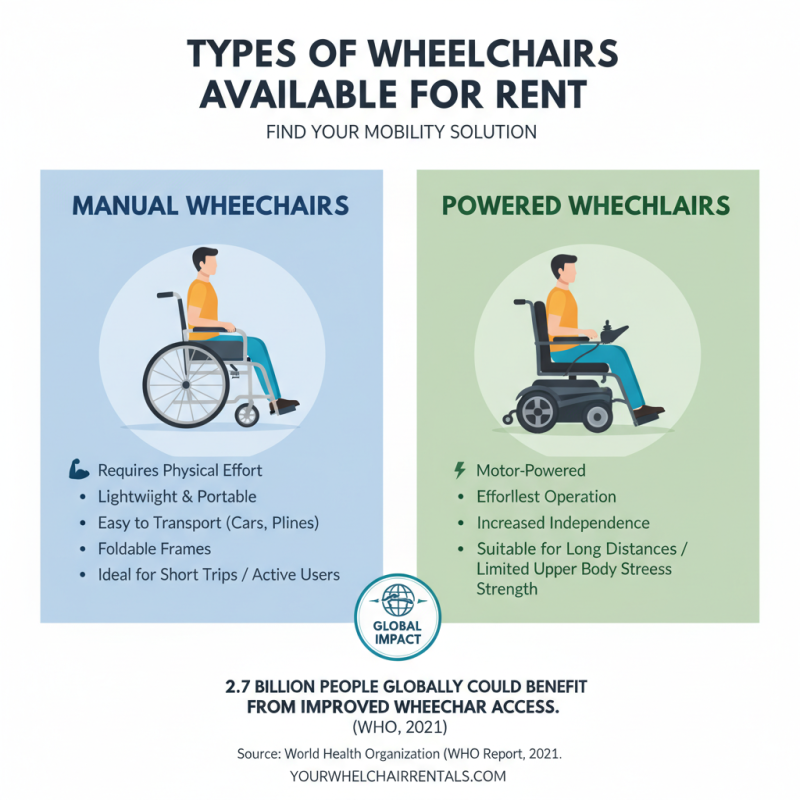
When seeking the best wheelchair rentals, understanding the types available is crucial. Wheelchairs generally fall into two categories: manual and powered. Manual wheelchairs require physical effort to propel. They are lightweight and easy to transport. In contrast, powered wheelchairs provide more independence for users with mobility challenges. According to a report by the World Health Organization, as of 2021, around 2.7 billion people globally could benefit from improved wheelchair access.
Consideration of additional features is vital. Some wheelchairs come with adjustable seating, making long-term use more comfortable. Others have specialized designs for specific conditions, such as sports or pediatric use. A 2023 industry study revealed that the demand for specialized wheelchairs has increased by 15% in the last five years. This trend reflects the growing awareness of individual needs.
Research suggests that rental options vary widely depending on location. While some areas offer a broad range of choices, others may have limited availability. This scarcity could lead to unmet needs, causing frustration for users. Local health organizations often publish guides about available services. However, these resources may not always be updated. Therefore, continuous exploration and awareness of options are important for making informed choices.
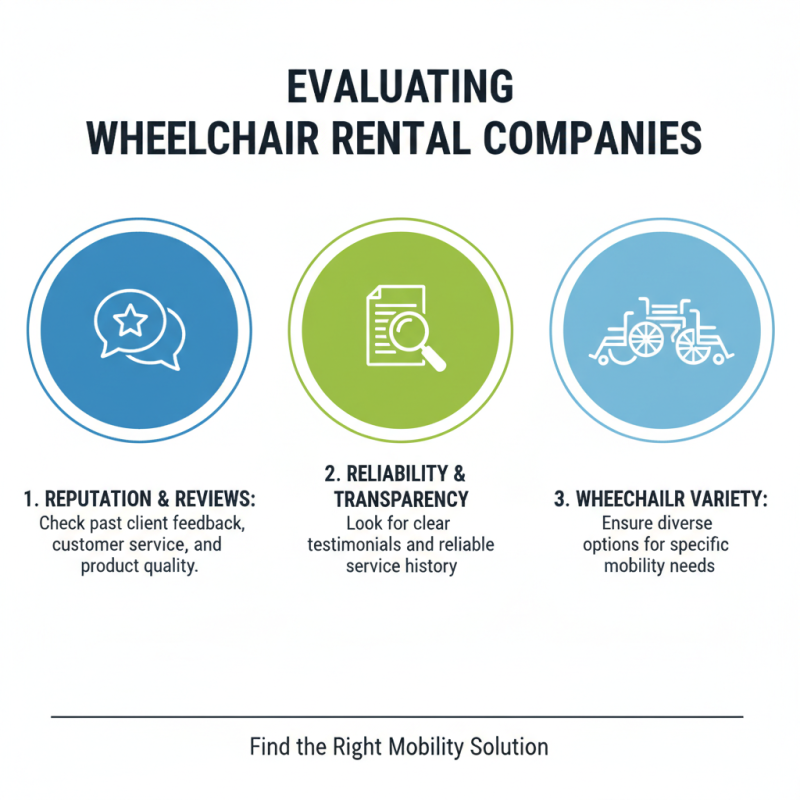
When evaluating rental companies for wheelchairs, consider their reputation. Look for reviews and testimonials from past clients. Reliable companies will have feedback on their customer service and product quality. Always check if they offer a variety of wheelchair types. This ensures you can find one that meets your specific mobility needs.
Tips: Ask questions. Inquire about maintenance protocols for the rentals. Ensure they provide sanitized equipment. A reputable company should have clear policies regarding insurance and liability. This transparency will build your confidence in the service.
Look into delivery options. Some companies offer direct delivery to your location. This can save time and hassle. Also, evaluate their customer support. Are they available for assistance during your rental period? A responsive team can make a big difference in your experience. If you find a company that lacks clear communication, it may be worth reconsidering.
When searching for wheelchair rentals, understanding the costs involved is crucial. A recent industry report shows that the average weekly rental rate for a standard wheelchair can range from $100 to $250, depending on the provider and location. However, specialized wheelchairs, such as those for sports or electric options, can exceed this average. Rental fees often vary by region, making it essential to compare different options. Some areas may have higher prices due to demand or limited availability.
Insurance coverage is another significant factor to consider. A study by the National Association of Insurance Commissioners indicates that a considerable portion of long-term mobility aids, like wheelchairs, may be partially covered under certain insurance plans. However, not all plans include rentals. It's important to review policy specifics to understand what is included. Some insurers require prior authorization, while others have strict limits on rental periods. This can lead to unexpected out-of-pocket expenses.
Finding the best rental may require additional research. Local medical supply stores might offer more personalized service than larger chains. Yet, they may lack competitive pricing. This discrepancy emphasizes the need for thorough comparisons. Each renter’s needs are unique. Having this awareness can lead to better choices, ultimately enhancing mobility.
When coordinating wheelchair rentals, logistics and delivery are crucial. Understanding the delivery policies of rental services is essential. Many companies offer same-day delivery, but this can vary widely. Check if they provide weekend or late-hour services. This flexibility can make a huge difference for individuals with last-minute needs.
According to a report by the Medical Device Innovation Consortium, about 30% of wheelchair users rely on rental services during travel. This highlights the importance of ensuring timely delivery. A delayed rental can lead to complications for users, particularly in emergency situations. Always clarify delivery windows and confirm arrangements a day in advance.
Communication with the rental company affects satisfaction. Some customers report confusion over pick-up times. Conflicting information can create frustration. Consider asking for written confirmation of details. Understanding the nuances of rental logistics can empower users to make informed choices. This, in turn, helps mitigate stress during critical moments.