
In today’s world, mobility is vital for independence. A power chair offers solutions to those facing mobility challenges. This innovative device empowers individuals to navigate their surroundings with ease.
Imagine moving freely around your home or in public spaces. A power chair can provide joy and confidence in daily life. Users experience enhanced comfort and support, which greatly improves their quality of life.
However, choosing a power chair isn’t always straightforward. Many factors come into play, such as the chair's size, features, and user needs. Taking the time to reflect on these aspects can lead to a more informed decision. Embracing a power chair may be the key to unlocking a more independent future.

Choosing a power chair can significantly enhance mobility and independence. However, selecting the right one requires careful consideration. Firstly, the weight capacity and size are crucial. Ensure the chair fits your body type, allowing for comfort and mobility. A compact power chair might work well indoors, but a larger one may be better for outdoor use.
When thinking about features, pay attention to battery life and charging options. A longer battery life can prevent interruptions during outings. You might want a chair that charges quickly. To make the right choice, try different models. Comfort levels vary from person to person.
**Tip:** Always test drive a power chair before buying. This allows you to experience its handling and comfort.
Another factor to consider is adjustability. Some chairs offer adjustable seating and armrests. These adjustments can make a great difference in your comfort. Look for options that accommodate your specific needs.
**Tip:** Take your time exploring features. It’s better to be patient than rush a decision that affects your daily life.
| Feature | Importance | Considerations |
|---|---|---|
| Weight Capacity | Ensures safety and durability | Choose based on user weight |
| Seat Size | Comfort and support | Match seat width and depth |
| Battery Life | Mobility duration | Longer range for daily use |
| Maneuverability | Ease of use in tight spaces | Consider turning radius |
| Speed Settings | User control | Variable speeds for comfort |
| Transportability | Ease of transport | Check foldable or disassemblable designs |
| Customization Options | Personalized fit and style | Select colors and enhancements |
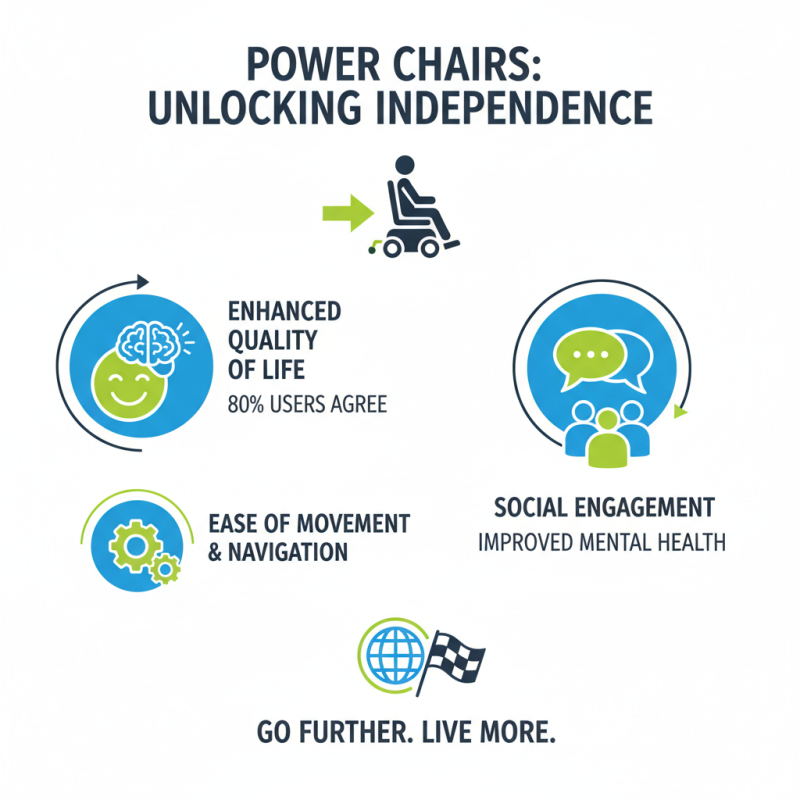
Power chairs are essential for individuals seeking greater mobility and independence. Studies indicate that up to 80% of power chair users report enhanced quality of life. By providing ease of movement, these chairs allow users to navigate various environments with confidence. The ability to go out and engage with others is pivotal for mental health.
Data shows that 56% of users find power chairs beneficial for participating in community events. This participation fosters social interactions, reducing feelings of isolation. Additionally, power chairs offer customizable seating to accommodate different physical needs. Each feature aims to enhance comfort and usability.
However, many users face challenges. High costs can be prohibitive. Maintenance issues, including battery life, also arise. It's crucial to consider these factors when choosing a chair. Users often express frustration over the limitations of some models. Awareness of these issues can lead to more informed decisions.
Power chairs have become essential for many seeking improved mobility. They offer various types, each with unique features tailored to users' needs. For instance, mid-wheel drive power chairs provide better maneuverability in tight spaces. This makes them ideal for indoor use. Research shows that around 43 million Americans live with mobility issues. Power chairs empower these individuals, enhancing their freedom and engagement in daily life.
Another type is the front-wheel drive power chair. It excels on rough terrains, giving an adventurous edge to mobility. These models usually come with advanced seating options, ensuring comfort. Data suggests that over 70% of power chair users prioritize comfort and stability. It's vital to choose a chair that fits personal needs while ensuring safety.
Tips: Consider your daily environment. Will you navigate indoors or outdoors more often? Test chair maneuvers to gauge ease of use. Remember, a well-suited power chair can drastically improve independence. However, getting the right fit can be a process. Consulting with professionals can lead to a more informed decision. Don't rush; take time to explore options.
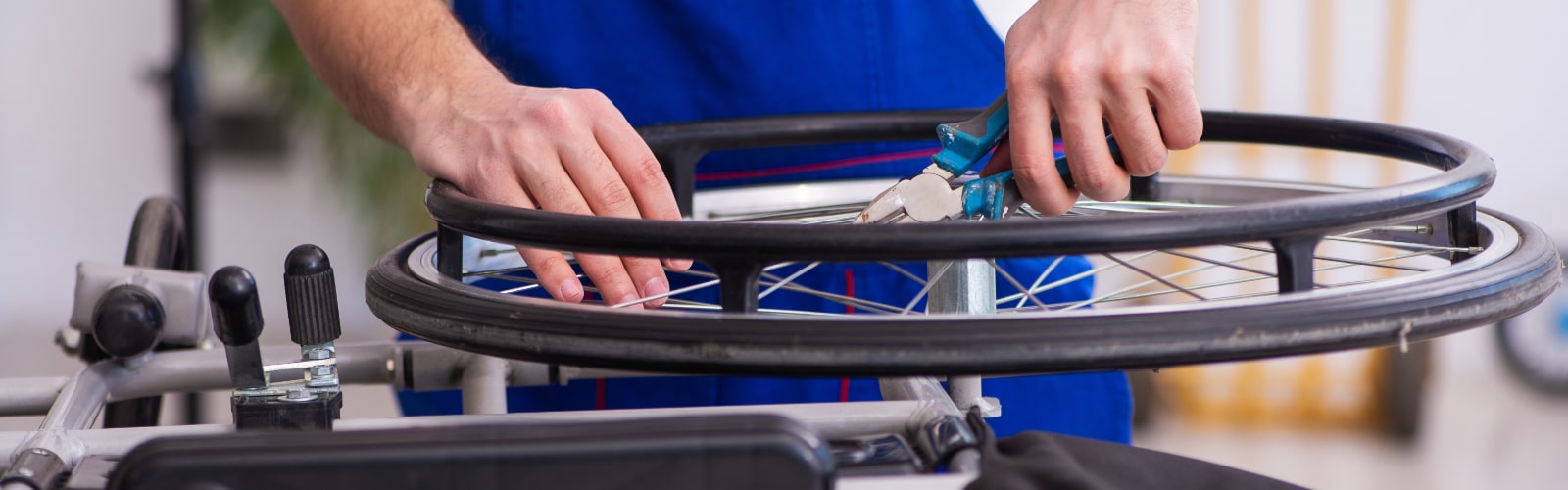
Maintaining a power chair is crucial for safety and efficiency. Regular checks can prevent accidents and ensure smooth operation. Start with inspecting the tires. Low tire pressure can lead to poor traction. Ensure they are properly inflated and free from debris. Check the battery regularly. A weak battery can be frustrating and limit mobility.
Cleaning the power chair is equally essential. Dust and dirt can build up quickly. Use a damp cloth to wipe down surfaces. Pay special attention to the joystick and control panel. Food particles can accumulate there, affecting performance. Keep the chair stored in a dry place to avoid moisture issues.
Safety features should never be overlooked. Ensure the brakes are functional and test them often. It’s also wise to review the user manual for any specific maintenance tips. Reflecting on your power chair's condition is important. Ignoring minor issues can lead to major problems later. Each inspection is a step towards ensuring safety and independence.
This chart illustrates the reasons to choose a power chair for enhanced mobility and independence, rating their importance on a scale of 1 to 10. Enhanced mobility and safety improvements rank the highest, indicating that these features are essential for users seeking independence.
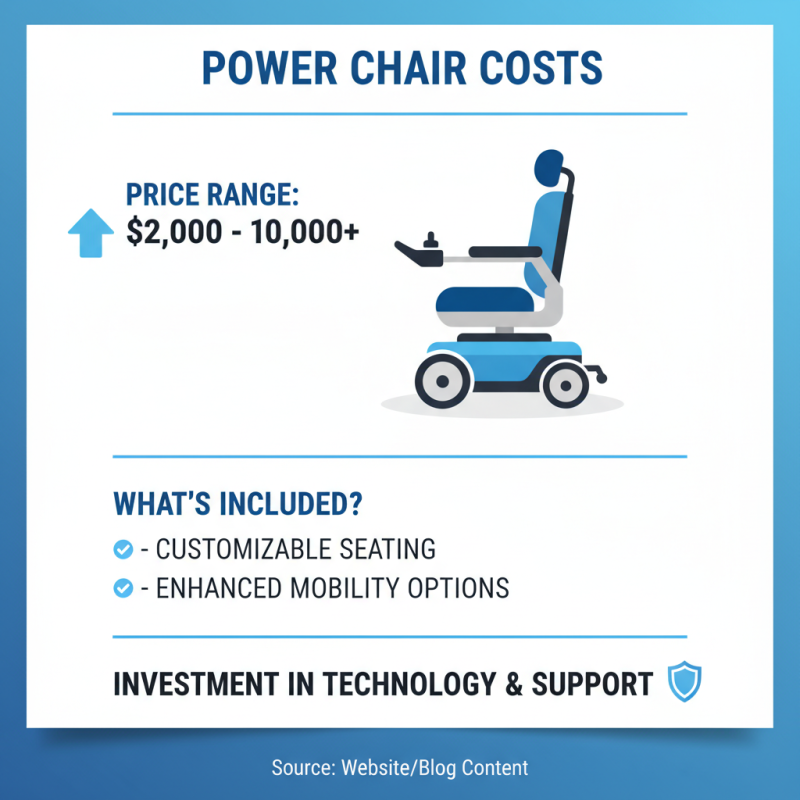
When considering a power chair, the costs can vary significantly. Many power chairs range from $2,000 to over $10,000. This price point often includes advanced features like customizable seating and enhanced mobility options. While these prices may seem high, they reflect the technology and support these chairs provide.
Insurance options can also play a crucial role in affordability. According to the National Mobility Equipment Dealers Association (NMEDA), many insurance plans may cover part of the cost. Medicare often provides coverage for power chairs, but specific eligibility criteria must be met. Patients typically need a doctor's prescription to qualify. For many, this financial assistance makes a power chair more accessible.
However, not all insurance plans cover every type of power chair. Some individuals may face unexpected out-of-pocket expenses. Understanding the fine print of your insurance policy is essential. Many users find themselves navigating a complex web of requirements. In some cases, appeals may be necessary to secure funding, which can be frustrating. Identifying the exact options available is critical for making informed decisions about mobility aids.