

Choosing a motorized chair can significantly enhance mobility for those facing challenges. These chairs are designed to provide comfort and independence. They come equipped with various features, making daily activities easier.
Motorized chairs offer a range of advantages. They provide enhanced support and stability, which is crucial for users. Many chairs are adjustable, ensuring a perfect fit for different body types. With options like portable designs, users can maintain an active lifestyle. The technology is continually evolving, bringing improved safety features and better battery life.
However, one must reflect on personal needs when selecting a motorized chair. The variety of models can be overwhelming. It's essential to consider one's lifestyle and specific mobility requirements. Making an informed choice relies on understanding both benefits and potential drawbacks.
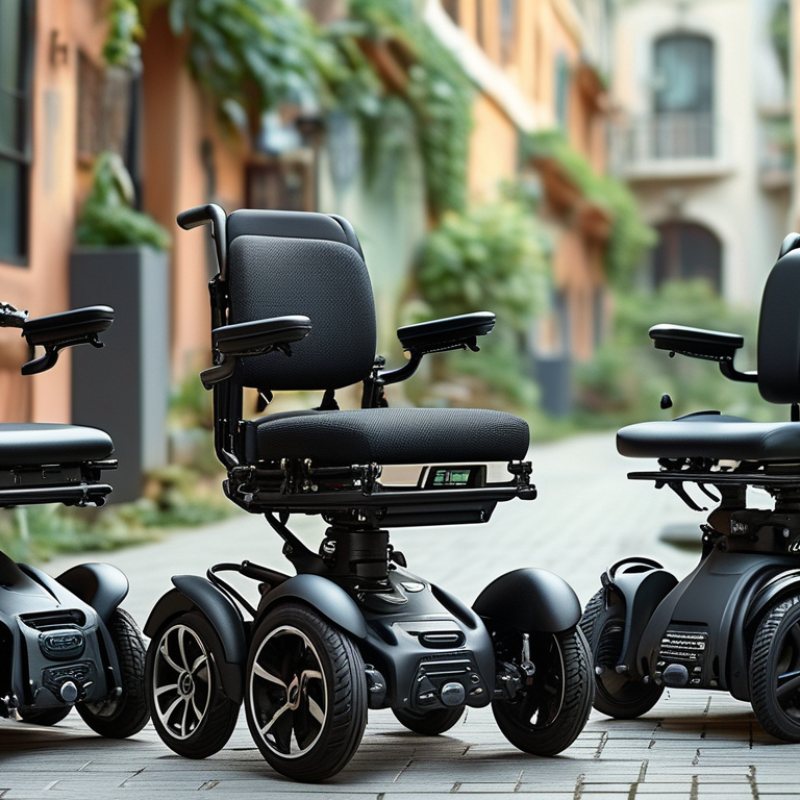
Motorized chairs are gaining popularity among individuals seeking mobility independence. These chairs offer both comfort and convenience, enabling users to navigate their environment more easily. The ability to move around without assistance enhances confidence and promotes social interaction. This newfound freedom can significantly improve overall well-being.
Using a motorized chair can also reduce the physical strain often associated with manual mobility devices. With the press of a button, users can traverse various terrains, from smooth sidewalks to uneven paths. The built-in features can include adjustable seating and customizable controls, which cater to individual needs. Many models even offer portability, allowing users to travel without hassle.
Tip: Before purchasing a motorized chair, assess your daily needs. Consider the types of surfaces you usually encounter. Test various models to see which one feels right for you.
While motorized chairs offer numerous benefits, some users may struggle with adapting to new technology. It's essential to approach the learning curve with patience. A support system, whether from family or caregivers, can be invaluable during this transition.

When selecting a motorized chair, several key features warrant attention. Comfort is paramount. Look for chairs with adjustable seating and ample cushioning. A chair that molds to your body can enhance your experience. Seat height is also crucial. It should allow for easy transfers to and from other surfaces. A proper height contributes to independence and safety.
The chair's weight capacity must match the user's needs. Different models support various weights. Choose a chair that offers stability and can cope with daily use. Maneuverability is vital too. Opt for chairs with tight turning radii. They provide better navigation in restricted spaces. Battery life is another factor. A longer-lasting battery means fewer interruptions.
Accessibility features can make a big difference. Consider models with simple controls. Users should feel empowered, not overwhelmed. Look for options with folding backs or removable armrests. These features aid in transport and storage. Finally, assess warranty and service options. A reliable warranty can provide peace of mind. The investment in a motorized chair should also include ongoing support.
Motorized chairs have gained popularity among users seeking reliable mobility solutions. Compared to manual options, motorized chairs provide enhanced independence. They allow users to navigate various terrains with ease. According to the National Council on Independent Living, about 71% of users prefer motorized chairs for their versatility.
Manual chairs often require physical strength to propel. This can be challenging for individuals with limited upper body strength. A recent study published in the Journal of Rehabilitation Research found that users of motorized chairs reported 30% less fatigue compared to those using manual chairs. This highlights the need for personalized choice in mobility aids.
Cost remains a critical factor in choosing between the two. While motorized chairs tend to have higher upfront costs, their long-term benefits can outweigh these expenses. Maintenance, battery replacement, and additional features can add to the overall cost. However, evaluating mobility needs closely may reveal that a motorized chair could significantly enhance daily life activities. Thoughtfully considering these factors is key to making an informed decision.
| Feature | Motorized Chair | Manual Chair |
|---|---|---|
| Ease of Use | High - Requires minimal effort | Low - Requires physical strength |
| Speed | Fast - Adjustable speed settings | Slow - Manual propulsion |
| Portability | Moderate - Heavier, may require a vehicle | High - Lightweight and easy to transport |
| Battery Life | Variable - Typically lasts several hours | N/A - No battery required |
| Comfort | High - Ergonomically designed | Moderate - Depends on design |
| Cost | Higher - More features and technology | Lower - Basic functionality |
Maintaining a motorized chair is essential for optimal performance and longevity. Regular care can extend its lifespan significantly. According to a report by the Consumer Product Safety Commission, proper maintenance can reduce mechanical failures by up to 30%. Ensuring that the battery is fully charged and inspecting wiring are simple but vital tasks.
Cleaning the chair frequently is another key element. Dust and debris can affect the moving parts. Not cleaning these areas could lead to performance issues over time. A soft, damp cloth is ideal for wiping surfaces. Regularly checking tires for wear can prevent accidents.
It's not just about the machine; user comfort matters too. Adjustments should be made to seating and controls regularly. However, many individuals overlook this. Ignoring these modifications can lead to discomfort or strain during use. Following safety guidelines and manufacturer instructions is also crucial. Familiarizing yourself with these details can help avoid pitfalls later on.
This chart illustrates the key reasons for choosing a motorized chair, reflecting different aspects such as comfort, flexibility, ease of use, and maintenance. The data shows the preferences of users based on a survey conducted regarding their mobility needs.
Personalizing your motorized chair can enhance your comfort and convenience. A variety of accessories can suit individual needs. For instance, cushion options can provide extra support. Seat cushions come in different thicknesses and materials. Choose one that aligns with your preferences.
Custom options extend beyond cushions. You can add armrests or footrests tailored to your body. Some chairs allow height adjustments for improved ergonomics. Color choices add a personal touch. Many prefer shades that reflect their personality. A unique design can make the chair feel more like home.
Though customization helps, it's essential to consider usability. Adding too many features may complicate operation. It’s vital to balance personalization with the chair's functionality. Frequent testing of adjustments ensures the chair meets your expectations. Reflect on what truly enhances your mobility experience.