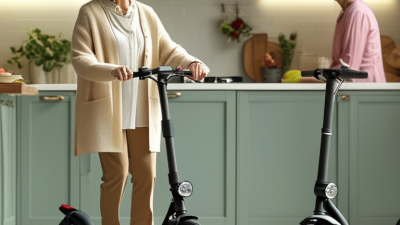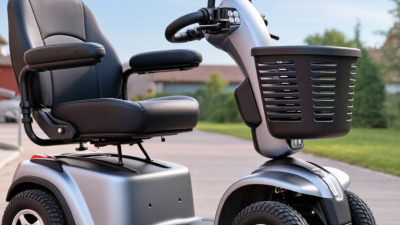
Choosing a handicap electric scooter is not simply a search for the lowest price. It is a decision about daily confidence, physical comfort, and safe movement. A suitable model may cross a supermarket aisle, climb a gentle ramp, or fit beside a hallway chair. Small details matter. Seat width, armrest support, turning radius, ground clearance, and control sensitivity can change the entire experience.
This guide examines the top 10 handicap electric scooter options for global buyers. It considers portable travel scooters, stable four-wheel models, heavy-duty designs, and practical mid-range choices. Each review focuses on real purchasing concerns, including battery range, charging time, maximum user weight, transportability, warranty support, and replacement-part access. Buyers should also check local mobility rules and confirm whether the scooter fits their intended roads, buildings, and public spaces.
No ranking is perfect. Personal needs differ. A lightweight scooter may lift easily into a vehicle, yet feel less stable on uneven pavement. A larger model may offer stronger support, but require more storage space. Marketing figures can also look better than everyday results. Hills, cold weather, rider weight, and frequent stops can reduce battery performance. Please treat specifications as starting points, not promises. A healthcare professional or mobility specialist can help assess posture, balance, and safe operation. Reliable decisions come from comparing measurements with real routines. A doorstep, narrow doorway, or rough sidewalk often reveals more than a glossy product photograph.
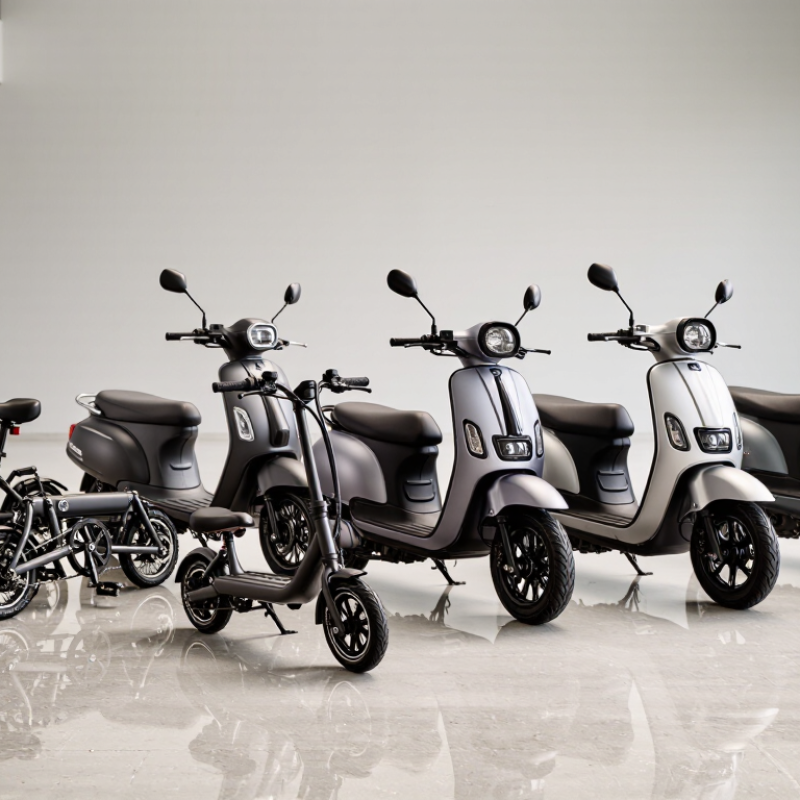
For global buyers, “handicap electric scooter” covers several mobility tools, not one standard design. WHO and UNICEF’s 2022 Global Report on Assistive Technology estimates 2.5 billion people need assistive products today. That figure may exceed 3.5 billion by 2050. A top-ten list should compare use cases, not just speed or appearance. It should also examine local service, charging access, seat support, and transport rules.
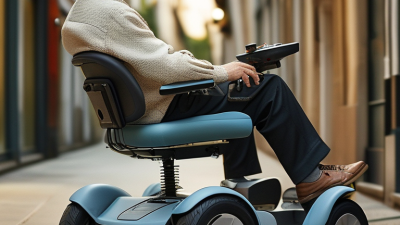
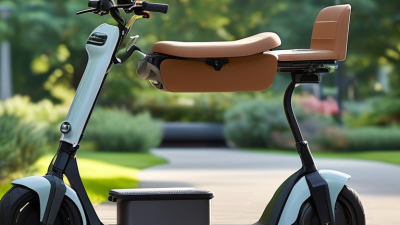
Travel scooters are compact and often foldable. They suit short indoor trips, station platforms, hotel corridors, and car trunks. Three-wheel models turn tightly around shop aisles and kitchen counters. Four-wheel models usually offer steadier handling on uneven pavements. Mid-size scooters fit daily neighborhood travel, including groceries and clinic visits. Heavy-duty models support larger riders and longer outdoor routes, but they need wider doors and stronger ramps. Stand-up mobility scooters can help users who transfer more easily than they sit, although balance requirements deserve careful assessment. Outdoor all-terrain types use larger tires for parks, gravel, and sloped paths. They are not automatically safe in wet conditions.
The World Health Organization reports that more than 1.3 billion people live with significant disability. Mobility needs vary widely within that population. One rider may need a tight turning circle; another needs suspension and a supportive backrest. Rated range is only a starting point. Cold weather, hills, rider weight, tire pressure, and frequent stops reduce practical distance. I have seen buyers focus on battery size, then struggle with a narrow elevator. That is an avoidable mistake. Check doorway width, curb cuts, battery removal, charging time, and repair availability before comparing the final ten models. The best choice can look less impressive on paper.
| Rank | Scooter Type | Typical Main Use | Typical User Profile | Typical Maximum Speed* | Typical Real-World Range* | Terrain Suitability | Key Mobility Advantages | Important Buying Considerations |
|---|---|---|---|---|---|---|---|---|
| 1 | Four-Wheel Travel Scooter | Shopping centres, supermarkets, neighbourhood trips and indoor mobility | Users who need extra stability in a compact format | 6–8 km/h | 12–25 km | Smooth indoor floors, paved paths and firm pavements | Stable four-wheel layout, modest turning space and easy controls | Check folded or dismantled weight, seat width, turning radius and transport access |
| 2 | Three-Wheel Compact Scooter | Indoor corridors, shops, offices and other tight spaces | Users prioritising manoeuvrability over maximum stability | 6–8 km/h | 12–25 km | Level indoor surfaces and smooth paved routes | Small turning circle and responsive steering | A three-wheel design may feel less stable on slopes, uneven ground or sharp cambers |
| 3 | Portable Folding Scooter | Car travel, public transport, holidays and occasional mobility support | Users who need convenient storage and frequent transportation | 4–8 km/h | 8–20 km | Flat, firm and well-maintained surfaces | Quick folding, low storage footprint and easier handling than full-size models | Confirm folded dimensions, lifting weight, battery transport rules and luggage-space requirements |
| 4 | Mid-Size Four-Wheel Scooter | Daily errands, local streets, parks and longer community journeys | Regular users seeking a balance of comfort, range and stability | 6–10 km/h | 20–40 km | Paved roads, footpaths and firm compacted paths | More supportive seating, larger batteries and better ride comfort than travel models | Check overall width for doors, lifts and accessible ramps; verify local road-use rules |
| 5 | Long-Range Mobility Scooter | Extended outdoor trips, large sites and repeated daily travel | Users who travel farther between charging opportunities | 6–12 km/h | 30–60 km | Paved routes, firm paths and moderate outdoor gradients | Higher battery capacity, comfortable seating and reduced charging frequency | Actual range decreases with rider weight, hills, temperature, tyre pressure and speed |
| 6 | Heavy-Duty Bariatric Scooter | Daily outdoor mobility for users requiring higher weight capacity | Users needing a wider seat, stronger frame and increased load rating | 6–12 km/h | 25–55 km | Paved surfaces, firm paths and moderate uneven ground | Higher permitted load, reinforced seating and improved straight-line stability | Compare total user-and-luggage capacity, seat dimensions, ramp rating and transport weight |
| 7 | All-Terrain Four-Wheel Scooter | Parks, rural paths, promenades and outdoor recreational access | Users who regularly encounter grass, gravel or uneven paved routes | 8–15 km/h | 25–50 km | Firm grass, compacted gravel and uneven outdoor paths | Larger pneumatic or solid tyres, higher ground clearance and improved suspension | Not all-terrain models are suitable for mud, sand, steep slopes or waterlogged ground |
| 8 | Suspension Comfort Scooter | Longer rides on uneven pavements, paths and accessible travel routes | Users sensitive to vibration or seeking a more comfortable ride | 6–12 km/h | 25–50 km | Paved routes, cracked pavements and moderate uneven surfaces | Suspension, supportive seating and larger wheels can reduce transmitted vibration | Suspension adds weight and maintenance needs; assess seat adjustment and foot-platform support |
| 9 | Lightweight Dismantling Scooter | Boot or trunk transport, short trips and visits to public venues | Users who can manage several lighter components rather than one heavy unit | 6–8 km/h | 12–25 km | Indoor floors, paved paths and firm level surfaces | Separates into sections for easier lifting and storage | Measure the heaviest component and confirm whether a hoist or assistance is needed |
| 10 | Indoor Narrow-Base Scooter | Home use, care facilities, narrow hallways and room-to-room movement | Users needing a small footprint for confined indoor areas | 4–6 km/h | 8–20 km | Flat indoor flooring and smooth, level pavements | Compact width, low-speed control and easy manoeuvring around furniture | Measure doorways, lift entrances, turning areas and floor transitions before purchase |
*Speed and range figures are typical market-use estimates rather than guaranteed performance. Actual results vary with battery capacity, rider and cargo weight, terrain, gradients, temperature, tyre condition, speed and local regulations. Buyers should verify accessibility requirements, battery transport rules, charging voltage, warranty coverage and road-use regulations in the destination country.