
The medical scooter market is poised for significant transformation in 2026. As technology advances, new trends emerge, making mobility aids more efficient and user-friendly. Buyers are increasingly seeking scooters that enhance independence and comfort.
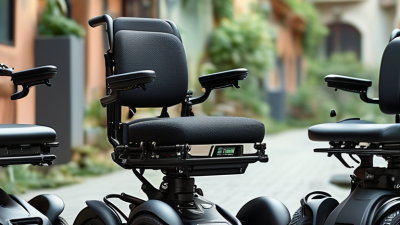
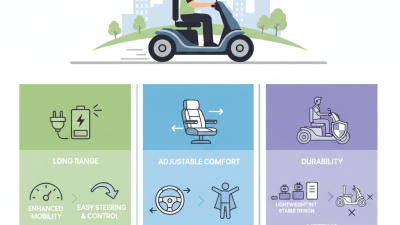
Innovations in design and functionality are vital. For instance, lighter frames and advanced battery systems improve usability. Additionally, features like adjustable seating and customizable controls cater to diverse user needs. It's essential to consider these aspects when evaluating medical scooters.
However, not all developments are perfect. Some users report issues with stability and weight capacity. It's crucial for buyers to research and understand these challenges. With the right insights, selecting the appropriate medical scooter can lead to improved quality of life.
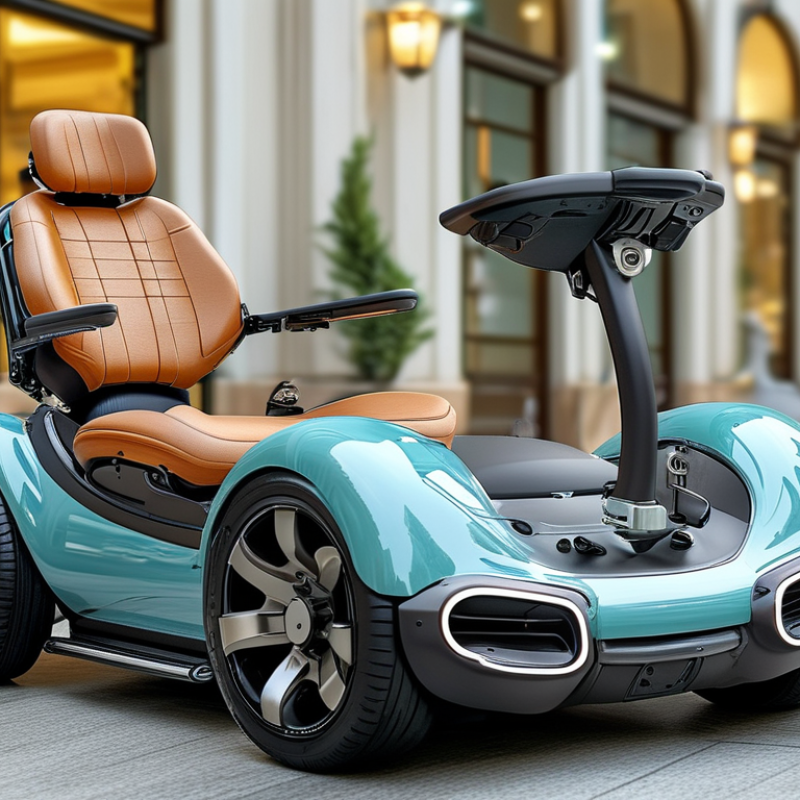
As the demand for medical scooters increases, technology evolves rapidly. Emerging technologies for 2026 focus on improving user experience and safety. One significant trend is advanced battery systems. These offer longer life and faster charging times. Users expect more convenience in mobility.
Another notable development includes smart features. Integrated GPS systems can provide real-time location tracking. This enhances safety for users and caregivers. Additionally, many scooters will feature health monitoring systems. These can track vital signs, offering valuable health insights.
However, accessibility remains a concern. Not all users are tech-savvy. There is a learning curve associated with new technologies. Companies must ensure that design is user-friendly. Balancing innovation with simplicity is essential for broad adoption. Moreover, sustainability is becoming crucial. Using eco-friendly materials can enhance the product's appeal. Manufacturers must consider both innovation and ethical responsibility in their designs.
Sustainability is reshaping the design of medical scooters. As the world prioritizes eco-friendly solutions, manufacturers are exploring materials and production methods that minimize environmental impact. Lightweight materials, such as aluminum and advanced plastics, are gaining traction. These innovations lead to scooters that are not only easier to maneuver but also consume less energy.
Efforts to reduce carbon footprints influence charging systems. Many companies now focus on developing energy-efficient motors and solar-assisted batteries. This allows for longer operational times with fewer energy needs. Moreover, electric scooters contribute significantly to cleaner air in urban settings.
Tips: Consider your local environment. Urban landscapes may benefit more from compact designs. Check the weight and portability features if storage space is limited. Prioritize models that emphasize recyclability for long-term sustainability. Small choices can lead to bigger impacts, both for the user and the planet.
The global demand for medical scooters is steadily increasing. An aging population drives this growth. Many countries are seeing a rise in mobility issues. People are searching for reliable solutions to maintain independence. This need creates opportunities within the medical scooter market.
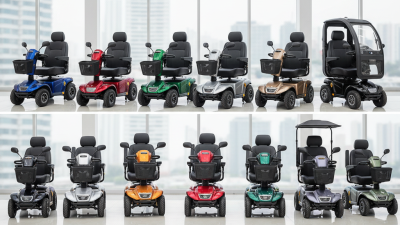
Market insights reveal key trends shaping the industry. Electric models are gaining popularity due to their ease of use. Features like adjustable seats and compact designs attract buyers. However, finding the right balance between affordability and quality remains a challenge. Some consumers struggle to understand specifications. They often require guidance on equipment longevity and warranty options.
Another factor influencing market dynamics is technology. Innovative features, such as GPS navigation and smartphone connectivity, are in demand. However, not all users feel comfortable with high-tech options. Many still prefer simple interfaces. This diversity in consumer preferences necessitates ongoing market research to identify gaps and opportunities. Understanding user experiences can inform better design and marketing strategies.
The medical scooter market is evolving rapidly, with 2026 set to showcase significant innovations. One of the key features is enhanced battery life. Many scooters now offer batteries that last longer on a single charge. This improvement allows users to travel greater distances without frequent stops. Additionally, faster charging options have emerged, addressing a common frustration for users.
Another trend is the integration of smart technology. Modern scooters are equipped with GPS navigation and smartphone connectivity. This allows users to easily locate nearby amenities and adjust settings on the go. Safety enhancements are also a focus. Features such as better lighting, anti-tip systems, and improved brakes are being prioritized to boost user confidence.
However, challenges remain. Some scooters still lack adequate storage options, which can limit usability. Users often find that the existing designs do not meet all their needs. There is also the question of accessibility. While features have improved, many scooters are still not easy to transport in vehicles. Continued innovation is vital to address these concerns and meet the evolving demands of the market.
As consumer preferences evolve, the medical scooter industry is adapting to meet diverse mobility needs. Reports indicate that nearly 70% of global buyers now prioritize comfort and customization features when selecting mobility solutions. This trend reflects a shift towards tailored user experiences, with an emphasis on ergonomic designs. Factors such as adjustable seating and adequate storage have become essential for many users.
Moreover, technological advancements are influencing these preferences. A 2023 survey highlighted that around 65% of potential buyers are drawn to scooters equipped with smart technology. Features like GPS tracking and health monitoring have gained popularity. However, many users express concerns regarding the reliability and ease of use of such technologies. Striking a balance between innovation and user-friendliness is a challenge manufacturers face today.
Sustainability remains an ongoing discussion in the industry. A recent report revealed that 55% of consumers are willing to pay extra for eco-friendly options. While this shift is promising, manufacturers must critically evaluate their sustainability practices. Ensuring that these solutions are not only efficient but also environmentally friendly is a complex task. Balancing these demands will be key to shaping the future of medical mobility solutions.